Wisdom Teeth Removal Oxnard CA: Key Facts About Impacted Wisdom Teeth
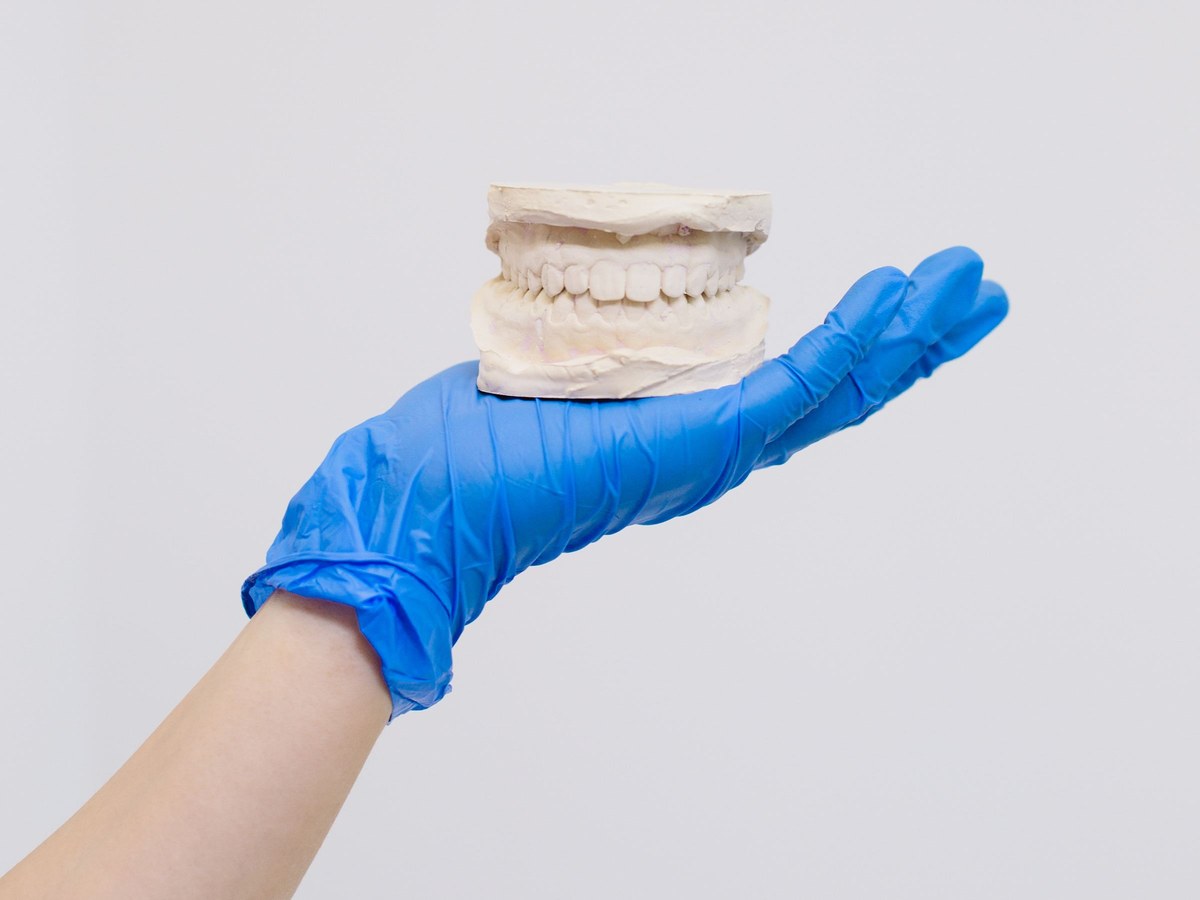
Wisdom teeth have a way of staying quiet for years, then suddenly creating a problem that feels anything but minor. A patient may come in saying the back of the jaw feels sore when chewing, or that the gum behind the second molar keeps swelling every few weeks. Sometimes there is no pain at all, just a routine X-ray that reveals a tooth trapped under the gums and leaning into its neighbor. That is often how impacted wisdom teeth enter the picture.
For people researching Wisdom Teeth Removal Oxnard CA, the real question is not only whether these teeth need to come out. It is why impacted wisdom teeth behave the way they do, how dentists and oral surgeons decide when removal makes sense, and what recovery is actually like in day-to-day terms. The details matter, because there is a difference between a wisdom tooth that is harmless and one that is quietly setting up bigger trouble.
What impacted wisdom teeth actually are
Wisdom teeth are the third molars, the last adult teeth to develop and usually the last to erupt. Most people have four, one in each back corner of the mouth, though some have fewer and some never form them at all. They typically try to come in during the late teens or early twenties, though timing varies.
An impacted wisdom tooth is one that does not fully erupt into a normal position. It may stay completely under the gums, partly break through, or come in at an angle that leaves it wedged against the tooth in front of it. In practice, impacted does not always mean painful. A tooth can be impacted and symptom-free for years. The problem is that these teeth sit in a difficult location, often with limited space, which makes them prone to inflammation, trapped food, infection, and damage to nearby teeth.
There are several common patterns. A tooth might lean forward into the second molar, sit upright but remain stuck below the gumline, angle backward toward the jaw, or lie almost sideways in the bone. Those positions are not just academic labels on an X-ray. They influence whether a tooth can erupt normally, how easy it is to clean, how much pressure it places on surrounding structures, and how complex removal may be.
Why wisdom teeth become impacted
Modern jaws often do not have enough room for all 32 adult teeth. That is the short version, but the reality has nuance. Some patients have excellent spacing throughout the mouth and still have one lower wisdom tooth that grows in awkwardly. Others have small jaws or crowded teeth that leave almost no chance for the third molars to emerge properly.
Eruption path matters too. Even with some available space, a tooth that develops at the wrong angle may get stuck. The lower wisdom teeth are especially known for this because the dense jawbone and the position behind the second molars can create a tight corridor. Upper wisdom teeth can also become impacted, though they sometimes have a bit more freedom to erupt.
Genetics plays a role. So does anatomy. A family history of impacted third molars often shows up in practice. It is also common to see differences from one side of the mouth to the other, which reminds people that tooth development is not always perfectly symmetrical.
The signs patients notice first
The classic symptom is pain at the very back of the jaw, often on one side. It can feel dull and constant, or sharp when biting down. But impacted wisdom teeth are not always dramatic. Sometimes the first clue is gum tenderness that flares up around the area, then settles down, then returns a month later. That cycle usually points to inflammation around a partially erupted tooth.
Other patients report bad breath that does not improve much with brushing, a bad taste near the back teeth, swelling in the gums, or difficulty opening the mouth fully when the tissue becomes inflamed. Food tends to collect under the gum flap over a partially erupted wisdom tooth, and once bacteria get trapped there, the area can become infected. Dentists call that pericoronitis, and it is one of the most common reasons people seek urgent care for a wisdom tooth.
Sometimes the symptom is not in the gum at all. A patient may feel sensitivity or aching in the second molar because the impacted wisdom tooth is pressing against it or creating a spot where decay can begin between the teeth. In those cases, the wisdom tooth is not only a problem in itself, it becomes a threat to a healthy tooth that matters much more for long-term chewing function.
When an impacted tooth is a real problem, and when it may not be
Not every impacted wisdom tooth needs to be removed immediately. That is important to say clearly. There are adults with fully buried wisdom teeth that remain stable for years and cause no active damage. If the tooth is deeply impacted, not associated with infection, not harming nearby teeth, and not linked to a cyst or other pathology, a dentist or oral surgeon may recommend monitoring with periodic exams and imaging.
The opposite situation is also common. A wisdom tooth may not hurt every day, yet still be a poor candidate for leaving in place. Repeated gum infections, a cavity that cannot be predictably restored, damage to the second molar, periodontal pocketing behind the second molar, or signs that the tooth is only going to become more difficult to remove https://www.brownbook.net/business/40954834/oxnard-dentistry with age all shift the conversation toward extraction.
This is where judgment matters. Dentistry is full of gray areas, and impacted wisdom teeth are a good example. Two X-rays may look similar, but the treatment recommendation can differ based on age, symptoms, gum condition, ability to clean the area, medical history, and the exact relationship of the tooth to the nerve and sinus. The best decisions rarely come from a one-size-fits-all rule.
What a dentist looks for on the exam and X-ray
A clinical exam gives part of the story. The provider checks whether the tooth has erupted at all, whether there is a gum flap trapping bacteria, whether there is swelling or drainage, how the second molar looks, and how wide the patient can open.
The X-ray completes the picture. Panoramic imaging is commonly used because it shows all four wisdom teeth, the jaws, and important nearby anatomy. In some cases, especially when a lower wisdom tooth appears close to the inferior alveolar nerve, a 3D scan may be recommended. That scan can clarify whether the roots are merely near the nerve canal or actually wrap around it, which affects surgical planning and informed consent.
A careful review usually focuses on a few practical questions:
- Is the tooth damaging the second molar or raising the risk that it will?
- Is there enough room for a functional eruption, or is that unrealistic?
- How close are the roots to the nerve in the lower jaw or the sinus in the upper jaw?
- Is there evidence of infection, bone loss, decay, or a cystic change?
- Will waiting likely make treatment harder later?
Those are the kinds of factors that make recommendations feel grounded rather than automatic.
The risks of leaving impacted wisdom teeth alone
People sometimes assume that if an impacted wisdom tooth is not hurting today, it is safe to ignore indefinitely. That can be true in select cases, but it is not a safe assumption across the board. Impacted wisdom teeth can cause problems that develop gradually and quietly.
A partially erupted tooth is especially troublesome because it creates a sheltered area for bacteria. The gum may swell, then improve with rinses or antibiotics, then flare again. Each episode may seem manageable on its own, but repeated infections are a sign that the anatomy itself is the issue.
Decay is another concern. Because these teeth sit so far back, even diligent brushers struggle to keep them clean. Cavities in wisdom teeth are common, but the bigger concern is often the second molar in front of them. Once decay starts on the back side of that second molar, treatment can become more complex, and losing or heavily restoring a second molar is a much bigger functional loss than removing a third molar.
Less commonly, impacted wisdom teeth can be associated with cysts or other pathologic changes around the crown. That is not something to exaggerate, but it is one reason regular imaging matters when these teeth are retained. Small changes often show up on X-ray before they produce obvious symptoms.
There is also the issue of age. Removal in the late teens or early twenties is often simpler than removal decades later, because the roots may be less fully developed, the surrounding bone tends to be less dense, and healing can be faster. That does not mean adults in their thirties, forties, or beyond cannot have wisdom teeth removed successfully. They can, and many do. It simply means the risk-benefit discussion may shift with time.
Timing matters more than many people realize
One of the most common questions is whether it is better to remove wisdom teeth early, before they cause trouble, or to wait until there is a clear problem. The honest answer depends on the specific case.
If a teen or young adult has wisdom teeth that are clearly impacted, poorly positioned, and unlikely to erupt usefully, early removal often makes practical sense. It can prevent damage to the second molars and avoid repeated infections. Recovery also tends to be a little more predictable in younger patients, though every individual is different.
On the other hand, if imaging shows a deeply impacted tooth that is completely covered by bone, not affecting nearby structures, and not likely to erupt into trouble, observation can be reasonable. That choice should still come with periodic review. Teeth and bone change over time, and a plan that made sense at 20 may deserve a second look at 28 or 35.
For patients seeking Wisdom Teeth Removal Oxnard CA, this is one of the most valuable parts of the consultation. The goal is not to rush to surgery or to avoid it at all costs. The goal is to decide based on anatomy, symptoms, and long-term oral health.
What removal usually involves
Wisdom tooth removal ranges from straightforward to moderately complex. A fully erupted upper wisdom tooth with simple roots may come out much like a routine extraction. A lower impacted tooth buried in bone is a different procedure. The gum is opened, some bone may be removed, and the tooth is often sectioned into smaller pieces for a safer, less traumatic removal.
Local anesthetic is the foundation. Beyond that, some patients choose nitrous oxide, oral sedation, or IV sedation depending on the complexity of the case, their anxiety level, and the office setup. A surgical consultation usually reviews these options in detail. It is worth discussing honestly. Some people do very well with local anesthetic alone. Others are much more comfortable with sedation, especially if multiple impacted teeth are being removed at once.
The appointment time varies. A single uncomplicated extraction may be relatively brief. Four impacted wisdom teeth, especially if they are lower bony impactions, takes longer and requires more recovery planning. Most people go home the same day and spend the first 24 to 72 hours managing swelling, tenderness, and diet restrictions.
What recovery really feels like
The first day is usually less about pain than about numbness, pressure, and the logistics of following instructions. Bleeding should gradually taper. Swelling often peaks around the second or third day, which surprises some patients who expected each hour to feel better than the last. That pattern is normal.
Soft foods help, but the practical issue is not only texture. Temperature, chewing effort, and debris matter too. Yogurt, smoothies eaten with a spoon, eggs, mashed potatoes, oatmeal once the area is comfortable, soup that is warm rather than hot, and soft pasta are common choices. Crunchy, seedy, or sharp foods can irritate the sockets or lodge in the healing sites.
Most patients can return to desk work or school fairly quickly, often within a day or a few days depending on the extent of surgery and the type of sedation used. Strenuous exercise usually needs to wait longer. Pushing activity too soon can increase bleeding and throbbing.
Pain control varies. Some people need little more than ibuprofen and acetaminophen when used as directed by their provider. Others, especially after difficult lower impactions, feel sore for several days despite doing everything right. Jaw stiffness is common. So is mild bruising. Those are expected parts of recovery and usually improve steadily.
Dry socket, nerve issues, and other complications people ask about
Patients usually want a straight answer about risk. That is fair. Wisdom tooth removal is common, but common does not mean risk-free.
Dry socket is one of the better-known complications. It happens when the blood clot in the extraction site is lost too early or does not form properly, leaving bone exposed. It tends to cause significant pain a few days after the extraction rather than immediately. Not everyone gets it, and the risk varies, but smoking is a well-known contributor. Following post-op instructions about suction, smoking, and site care matters.
Nerve injury is a different concern, mostly for lower wisdom teeth that sit close to the inferior alveolar nerve or the lingual nerve. In most cases, even when there is temporary numbness or altered sensation, it improves with time. Permanent changes are much less common, but they are part of informed consent when roots are close to the nerve. This is exactly why imaging and careful planning are so important.
Upper wisdom teeth carry a different anatomic issue because of their proximity to the sinus. Sometimes the roots are close to the sinus floor, which can affect technique and post-op instructions. Again, this is not rare enough to ignore or common enough to assume, it is simply a detail that should be evaluated before surgery.
Infection after removal can happen, though routine post-op soreness and swelling are more common than a true infection. Worsening swelling, fever, foul drainage, or pain that escalates instead of gradually improving deserves a call to the office.
A few practical ways to prepare for surgery
Preparation does not need to be elaborate, but it should be thoughtful. Patients who do well usually set up the first 24 hours before the appointment begins. That means arranging a ride if sedation is planned, picking up prescriptions in advance when possible, and having soft foods and ice packs ready at home.
Here are a few basics that consistently help:
- Wear comfortable clothing and follow fasting instructions exactly if sedation is scheduled.
- Set up a recovery space with extra pillows, water, gauze, and medications nearby.
- Plan simple meals ahead of time so you are not deciding what to eat while numb and tired.
- Avoid smoking or vaping, especially in the critical first days after surgery.
- Ask questions before the procedure, not while you are trying to recover from it.
Those details sound small, but they often shape whether the first evening feels manageable or unnecessarily stressful.
Questions patients in Oxnard often ask
Local patients often want to know whether coastal humidity, heat, or normal daily routines in Ventura County affect recovery. The bigger factors are not location-specific weather patterns so much as hydration, rest, and whether the patient has the luxury of taking it easy for a couple of days. If someone works a physically demanding job outdoors, recovery planning becomes more important than it would for a person working from home at a laptop.
Another frequent question is whether all four wisdom teeth should come out at once. If several are clearly problematic or likely to become so, removing them in one visit can be efficient and spares the patient multiple recovery periods. Still, there are situations where a staged approach makes sense, especially if one tooth is symptomatic and the others are stable, or if medical considerations argue for shorter visits.
Cost is also part of the real-world conversation. Surgical complexity, imaging needs, sedation choice, and insurance coverage all influence the total. A transparent office will explain what is known upfront and what variables may affect the fee. It is reasonable for patients looking into Wisdom Teeth Removal Oxnard CA to ask for a clear breakdown.
When to stop watching and schedule an evaluation
Some signs should move a wisdom tooth from the "keep an eye on it" category into the "have it examined soon" category. Recurrent swelling behind the molars, pain with chewing, jaw stiffness, foul taste, gum tenderness that keeps returning, or food constantly trapping around a partially erupted tooth all justify an evaluation. So does a dentist telling you there is decay or bone loss around the second molar related to the wisdom tooth.
Even without symptoms, periodic review matters if you know you have impacted wisdom teeth. Problems often start on the X-ray before they become obvious in the mirror. A short visit and updated imaging can answer whether nothing has changed or whether timing is becoming more important.
The bigger picture behind a small area of the mouth
Wisdom teeth occupy very little real estate, but they can create outsized problems when they are impacted. They sit in a hard-to-clean corner, they often erupt unpredictably, and when they go wrong, they tend to involve the neighboring tooth that you definitely want to keep healthy for life.
The best approach is rarely driven by fear and just as rarely by neglect. It comes from a careful exam, good imaging, and a practical conversation about symptoms, anatomy, age, and risk. Some impacted wisdom teeth can be monitored. Others are better removed before they damage the second molars, trigger repeated infections, or become more difficult to treat later.
For anyone weighing Wisdom Teeth Removal Oxnard CA, the most useful next step is a focused evaluation with a dentist or oral surgeon who can explain exactly what your X-ray shows and what that means for your situation, not for the average patient. That level of specificity is what turns a vague concern into a sensible plan.
Oxnard Dentistry
1730 E Gonzales Rd
Oxnard, CA 93036, United States
Phone: +1 805-307-8731
FAQ About Wisdom Teeth Removal Oxnard CA
How much does it cost to get wisdom teeth removed in California?
Fees depend on tooth position, the number of extractions, imaging and anesthesia. Oxnard Dentistry can provide an individual estimate after examining your teeth. Ask for an itemized plan and confirm insurance benefits before scheduling.
Will insurance cover wisdom teeth removal?
Coverage and out-of-pocket costs vary by policy and the treatment required. Ask the dental office and your insurer to verify benefits, annual limits and any authorization requirements. A benefit estimate does not guarantee payment.
Is 30 too old to have wisdom teeth removed?
Age alone does not determine whether extraction is appropriate. A dentist evaluates symptoms, tooth position, oral health and medical history. Healthy, functional wisdom teeth may be monitored; teeth causing disease or other problems may need treatment.