Wisdom Teeth Removal: A Complete Beginner’s Guide
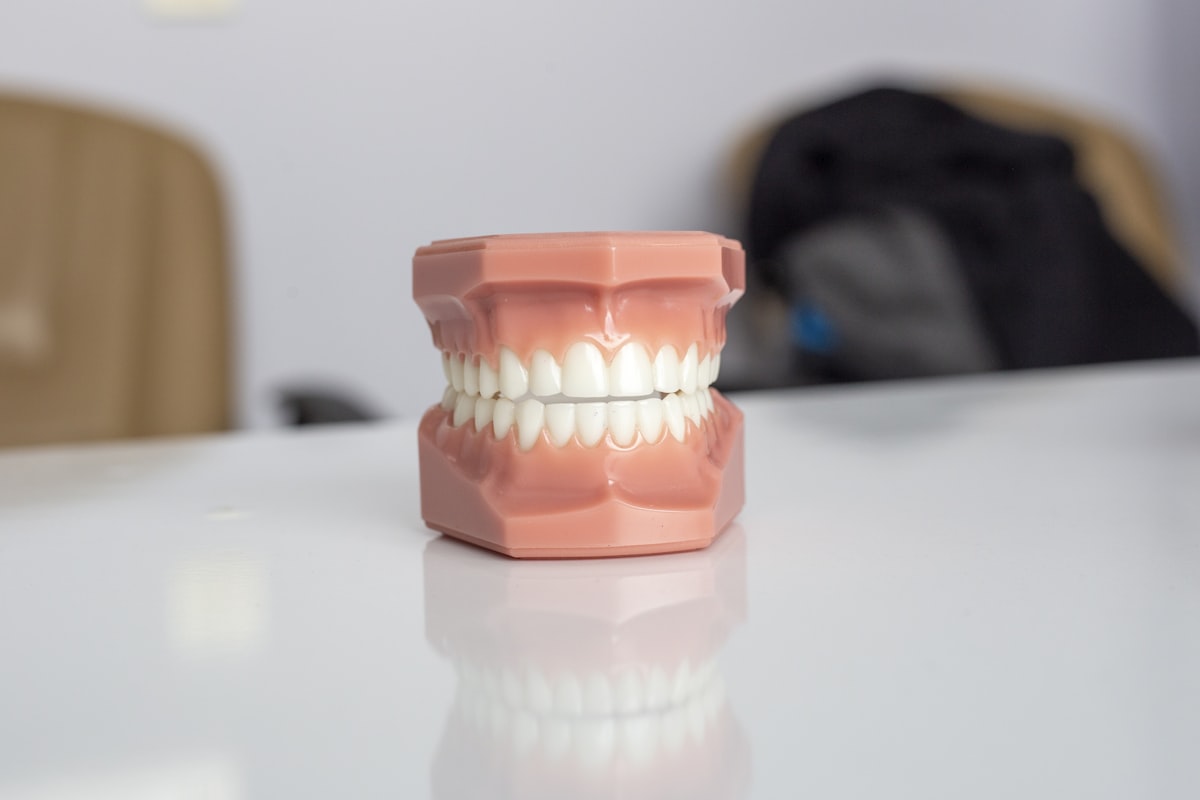
Wisdom teeth removal is one of the most common oral surgery procedures, yet it still makes many people uneasy. That reaction is understandable. For most patients, this is their first experience with surgery, sedation, stitches, swelling, and recovery instructions that suddenly make every sip, bite, and bedtime feel important.
The good news is that the process is usually straightforward when you know what to expect. Most problems come less from the procedure itself and more from uncertainty before it, or poor aftercare once you get home. A little preparation changes the entire experience.
Wisdom teeth, also called third molars, are the last adult teeth to develop. They often appear in the late teens or early twenties, though some never fully erupt. In an ideal mouth, they would come in upright, fit neatly into the bite, and clean easily. In real life, many mouths simply do not have enough room. That is where trouble starts.
Why wisdom teeth are often removed
A wisdom tooth may need removal because it is trapped below the gum, Wisdom Teeth Removal angled into the tooth beside it, partly erupted, hard to clean, or already causing pain, swelling, decay, or infection. Some are removed before they cause obvious symptoms because the position of the tooth suggests future trouble.
Dentists and oral surgeons look at several factors, not just whether the tooth hurts today. A tooth can be quiet for months or years while still damaging the neighboring molar. I have seen patients come in focused on a sore wisdom tooth, only to learn that the second molar in front of it has developed a cavity at the contact point, a spot that is difficult or impossible to brush or floss well because of the way the wisdom tooth sits.
Impaction is a term patients hear often during these consultations. It simply means the tooth cannot erupt normally. Some are fully impacted in bone. Others are covered partly by gum tissue. A partially erupted wisdom tooth can create a small flap of gum where food and bacteria collect. That can lead to tenderness, bad taste, swelling, and a painful infection called pericoronitis. It is a common reason people suddenly need urgent care.
Not everyone needs all four wisdom teeth removed. Some people have one problematic tooth, some have two, and some never develop wisdom teeth at all. The treatment plan depends on anatomy, symptoms, age, oral hygiene, and how likely the tooth is to create problems later.
What the consultation is really for
The consultation is more than a formality. It is where the surgeon decides whether removal is necessary, how difficult it is likely to be, and what type of anesthesia or sedation makes sense for you.
A panoramic X-ray is commonly used to show the position of the teeth, the roots, and their relationship to nearby structures. For lower wisdom teeth, one major concern is the inferior alveolar nerve, which runs through the lower jaw and provides feeling to the lower lip and chin. For upper wisdom teeth, the surgeon pays attention to the maxillary sinus. Most routine cases are assessed well with standard imaging, though more complex situations sometimes call for a three-dimensional scan.
This is also the time to discuss your medical history honestly. Medications, bleeding issues, smoking or vaping, pregnancy, diabetes, immune conditions, and previous reactions to anesthesia all matter. Even supplements can be relevant. Fish oil, some herbal products, and blood thinners can affect bleeding risk. If you tend to faint during dental work or become severely anxious, that should be said out loud. It helps the team plan well.
You should also ask practical questions. Patients often focus on the surgery itself and forget the part that shapes their week afterward. Ask how many days you should expect to miss from work or school, what pain control will look like, when you can exercise again, and whether your case is likely to involve more swelling because the teeth are deeply impacted.
Understanding the different types of wisdom teeth removal
Not all removals are alike. One person may have a tooth that is fully erupted and can be removed with a simple extraction. Another may need a surgical extraction, which involves opening the gum and sometimes removing a small amount of bone or dividing the tooth into sections.
Lower impacted teeth tend to produce more swelling and stiffness than upper erupted teeth. Teeth with curved roots, or roots close to the nerve canal, may require more delicate technique. Age matters too. In general, younger patients often heal more easily because the roots may be less fully formed and the surrounding bone can be more forgiving. That does not mean older adults cannot do well. They often do. It simply means the recovery can be a bit less predictable.
One point that surprises beginners is that surgeons often recommend removing all problematic wisdom teeth in one visit. From a convenience standpoint, that can be easier than repeating the process months apart. There is one recovery period, one set of prescriptions, one anesthesia event, and one period away from normal routine.
Sedation and anesthesia options
Patients use the word "anesthesia" broadly, but there are several levels of comfort management.
Local anesthesia numbs the area while you remain fully awake. This can be enough for simpler cases, especially if the teeth are erupted and the patient is calm.
Nitrous oxide, often called laughing gas, helps take the edge off anxiety and can be combined with local anesthesia.
Oral sedation involves taking a prescribed pill before the procedure. It can make you drowsy and less aware, though you are not fully unconscious.
IV sedation is common in oral surgery offices. It produces a deeper state of relaxation and often leaves patients with little memory of the procedure. Many people describe it as drifting off and waking up when everything is done.
General anesthesia is used in some settings, especially for complex cases or specific medical needs, though many routine wisdom tooth removals are handled safely with IV sedation in an office environment.
The right choice depends on the complexity of the case, your medical history, your level of anxiety, and the practice setup. If sedation is planned, you will usually need someone to drive you home and stay with you for a period afterward.
Getting ready for the day of surgery
Preparation makes recovery smoother. Most surgeons provide written instructions, and it is worth following them closely. If you are having IV sedation or deeper anesthesia, you are often asked not to eat or drink for a certain number of hours beforehand. Those fasting instructions are not optional.
Set up your recovery space before you leave for the appointment. Have extra pillows, ice packs, water, prescribed medications, gauze, and soft foods at home. The people who have the roughest evenings are often the ones who get back from surgery and realize they have nothing easy to eat except chips, toast, and takeout.
A simple pre-op checklist helps:
- Fill prescriptions before the procedure if your surgeon allows it.
- Arrange a responsible adult to drive you home and stay nearby.
- Stock soft foods such as yogurt, soup, mashed potatoes, smoothies, eggs, or oatmeal.
- Wear comfortable clothing, preferably with short sleeves for blood pressure cuffs or IV access.
- Follow fasting and medication instructions exactly as given.
If you take regular medications, ask in advance whether you should take them the morning of surgery. Some are continued with a small sip of water, others are adjusted. Never guess.
What happens during the procedure
For a straightforward case, the surgery itself is often shorter than patients expect. Once you are numb or sedated, the surgeon removes the tooth using techniques tailored to its position. Sometimes that means loosening the tooth and lifting it out. In surgical cases, a small incision is made in the gum. Bone may be trimmed to create access. If the tooth is difficult to remove in one piece, it may be sectioned. The area is then cleaned, and stitches may be placed.
You may hear pressure described more often than pain. That is accurate for awake procedures under local anesthesia. Pressure can feel strange, but sharp pain should be addressed immediately. Good communication matters. A skilled surgeon would much rather pause and add numbing medicine than have you push through discomfort.
After removal, gauze is placed so you can bite down and help form a blood clot. That clot is not a minor detail. It is the foundation of early healing.
The first 24 hours matter more than most people realize
If there is one theme that separates smooth recoveries from miserable ones, it is respect for the first day. Bleeding, swelling, and soreness are expected. They are not signs that something is going wrong. But this is also the period when bad habits, usually harmless in other situations, can disrupt healing.
The goal is simple. Protect the blood clot, manage swelling early, stay hydrated, and stay ahead of pain rather than chasing it after it builds.
Most patients leave with some combination of ibuprofen, acetaminophen, and occasionally a stronger prescription depending on the case. Many surgeons now emphasize scheduled non-opioid pain control because it works well for routine dental surgery and carries fewer side effects. The Wisdom Teeth Removal oxdentistry.com exact plan varies, so follow your own instructions rather than a friend’s memory of what they were told.
Ice packs help most during the first day. Use them on and off over the cheeks. Rest with your head elevated. Spitting forcefully, using a straw, smoking, vaping, vigorous rinsing, and intense exercise can all increase bleeding or dislodge the clot.
A light ooze of blood mixed with saliva can look dramatic. That pink saliva in the sink often seems worse than it is. Active bleeding, by contrast, soaks gauze repeatedly with bright red blood. If that happens despite firm pressure, call the office.
What you can eat, and what to avoid
Food choices affect comfort more than people expect. Soft, cool, or lukewarm foods are usually easiest at first. Very hot foods can increase bleeding. Crunchy foods, tiny seeds, and sharp fragments can lodge near the surgical site and irritate it.
It helps to think in phases rather than strict rules. On day one, many patients do best with yogurt, applesauce, pudding, smoothies eaten with a spoon, lukewarm soup, and mashed potatoes. By day two or three, scrambled eggs, pasta, soft rice, oatmeal, cottage cheese, and tender fish may be reasonable if chewing feels manageable. Return to normal foods gradually, using pain and common sense as your guide.
Hydration is often overlooked. A dry mouth feels worse, and patients who do not drink enough tend to feel more fatigued and nauseated. Small, frequent sips are often easier than trying to drink a full glass all at once.
Dry socket, swelling, bruising, and other common worries
Dry socket is the complication patients hear about most, often with alarming stories attached. It happens when the protective blood clot is lost too early or breaks down, exposing bone in the socket. The hallmark is not just soreness, but increasing pain several days after surgery, often radiating toward the ear or jaw, sometimes with a bad taste or odor. It is much more common in lower extraction sites than upper ones.
Smoking is one of the clearest risk factors. So is sucking through a straw, forceful rinsing, or significant trauma at the site. Some patients are simply more prone to it. The good news is that dry socket, while painful, is treatable. If you suspect it, call the surgeon. A medicated dressing or targeted care usually brings quick relief.
Swelling typically peaks around day two or three, not the evening of surgery. That timing catches some people off guard. Bruising can also appear, especially in the lower cheeks or along the jawline. It can look dramatic and still be normal. Jaw stiffness is common after lower wisdom teeth removal, particularly when the procedure was more involved.
A low-grade fever for a short period can happen after surgery, but persistent fever, worsening swelling after the first few days, difficulty swallowing, foul drainage, or trouble breathing deserve prompt attention.
Oral hygiene during recovery
Many patients become hesitant to clean their mouth at all because they are afraid of disturbing the site. That instinct is understandable, but a dirty mouth heals poorly. The trick is to clean gently.
You will usually continue brushing your teeth, while avoiding direct trauma to the extraction area. Depending on your instructions, you may begin gentle saltwater rinses after the first day. These are soothing and help keep the area cleaner. Some surgeons also recommend a prescription mouth rinse in certain cases.
Do not probe the site with your tongue, fingernail, cotton swab, or toothbrush. Patients do this constantly without realizing it, especially when the socket feels strange. It can interfere with healing and make you believe something is wrong when you are simply feeling normal tissue changes.
How long recovery really takes
The answer depends on the difficulty of the extraction and the person attached to the teeth. A teenager with four unerupted but uncomplicated wisdom teeth may bounce back in a few days. A working adult with deeply impacted lower molars may need the better part of a week before feeling fully functional, and longer before the jaw feels normal.
As a rough guide, many people can return to school or desk work within two to four days, assuming pain is controlled and swelling is manageable. Jobs involving heavy lifting, public speaking, athletics, or long hours may require more downtime. Full bone healing takes much longer than the visible recovery, often several weeks to months, but you will not feel surgical in that whole period.
One practical point rarely mentioned is that fatigue can linger a bit even after the pain improves. Poor sleep, altered eating, pain medication, and the body’s healing response all play a role. Patients often assume they should feel normal as soon as the swelling fades. Many do, but some need another few days before energy catches up.
When removal is delayed, and when that can be reasonable
There is a tendency to treat wisdom teeth as an automatic rite of passage, but the decision is not always urgent. If a wisdom tooth is fully erupted, cleanable, functional, cavity-free, and not damaging neighboring teeth, it may simply be monitored. That is especially true when the risks of removal appear to outweigh the likely benefit.
The gray areas are where judgment matters. A symptom-free impacted tooth in a young patient may still be recommended for removal because the odds of future trouble are substantial and surgery is often easier at that age. A similarly quiet tooth in an older adult with medical complexities might reasonably be watched instead. There is no universal answer that fits every scan.
If your dentist or surgeon recommends observation rather than immediate removal, ask what signs would change that plan. You should leave knowing what symptoms matter, how often imaging is needed, and whether the tooth is affecting the one in front of it.
Questions worth asking your surgeon
Patients do best when they understand both the plan and the reasoning behind it. A few questions can reveal a lot:
- Are my wisdom teeth causing a current problem, or are we removing them to prevent future ones?
- How difficult do you expect the surgery to be in my case?
- What type of sedation or anesthesia do you recommend, and why?
- What does pain control usually look like for patients like me?
- Which symptoms after surgery are normal, and which mean I should call you?
Those questions tend to produce far more useful answers than asking whether it will hurt. Every extraction causes some soreness. What matters more is the expected pattern, how it will be managed, and what recovery should realistically look like in your situation.
A few final practical realities
The stories people tell about wisdom teeth removal usually fall into two extremes. Either it was "nothing at all" or it was "the worst week ever." Most experiences land in the middle. Expect a few inconvenient days. Expect swelling, modified meals, and a mouth that feels strange. Also expect that, with proper planning and aftercare, the majority of patients get through it without major trouble.
The people who fare best are rarely the toughest. They are the most prepared. They fill their prescriptions early, clear their schedule, follow instructions closely, eat and drink even when they do not feel like it, and call promptly if something seems off rather than waiting until a mild problem turns into a rough weekend.
Wisdom teeth removal is common because wisdom teeth are often awkwardly placed, hard to clean, and prone to causing trouble. The procedure is not trivial, but it is routine for experienced oral surgeons. If you understand the reason for removal, know your sedation options, and take recovery seriously, the process feels far less mysterious and much more manageable.
Oxnard Dentistry
1730 E Gonzales Rd, Oxnard, CA 93036, United States
+1 805-307-8731
FAQ About Wisdom Teeth Removal
How painful is it to remove a wisdom tooth?
Local anesthetic numbs the area during extraction. Pressure may still be noticeable; tell the dentist if you feel pain. Soreness and swelling afterward are common. Follow the pain-control instructions provided for your situation.
How long is recovery for wisdom teeth extractions?
Recovery varies with the tooth position and complexity of the extraction. Some people resume routine activities quickly, while others need several days of rest. Soreness, swelling and jaw stiffness can last up to two weeks. Follow your clinician's aftercare and activity advice.
What are the risks of wisdom tooth removal?
Possible complications include dry socket, infection, persistent bleeding and changes in sensation from nearby nerve injury. Your dentist or oral surgeon should explain your individual risks before treatment. Seek prompt dental advice for bleeding that will not stop, fever, or severe or worsening pain and swelling.