How to Care for Your Dental Crowns for Lasting Wear
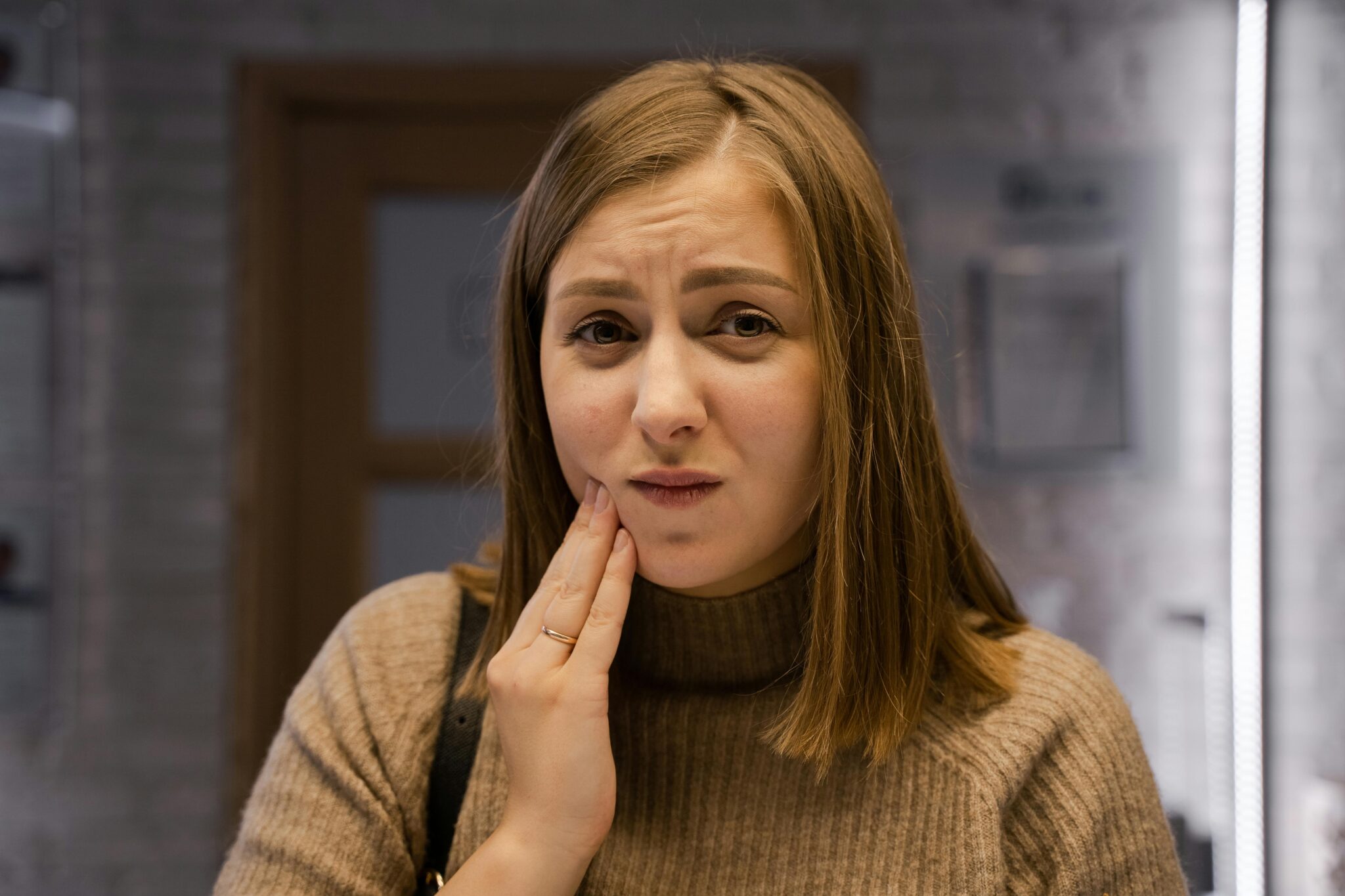
A well-made crown can serve you for many years, often well beyond a decade, but longevity is never just about the material or the dentist’s technique. What happens after placement matters just as much. I have seen crowns stay stable and attractive for a very long time in patients with ordinary, consistent habits. I have also seen newer crowns fail early because of grinding, neglected gums, or the mistaken belief that a crown makes a tooth maintenance-free.
That last point surprises people. A dental crown covers and protects a damaged tooth, but it does not make the area immune to decay, inflammation, or fracture. The margin where the crown meets the natural tooth still needs careful attention. The surrounding gum tissue still needs to stay healthy. And the forces you put on that tooth every day, while eating, clenching, or chewing ice, still count.
If you have recently received Dental Crowns, or you are preparing for treatment and want to protect your investment, it helps to understand what crowns do well, where they are vulnerable, and which daily habits truly make a difference.
What a crown can handle, and what it cannot
A crown is designed to restore shape, strength, and function to a tooth that has been weakened by decay, a large filling, fracture, or root canal treatment. Modern crowns are impressively durable. Porcelain, zirconia, porcelain-fused-to-metal, and gold-based restorations all have strong track records when used in the right situations.
Even so, a crown is not indestructible. The ceramic surface can chip. The cement seal can break down over time. The natural tooth beneath the crown can decay, especially along the edge near the gumline. In back teeth, heavy bite forces can stress both the crown and the tooth underneath. In front teeth, habits like nail-biting or tearing open packaging can lead to cracks or cosmetic damage.
One of the most common misunderstandings is that if the visible part of the tooth is covered, brushing and flossing become less important. In practice, the opposite is true. Crowns often last longest in mouths where plaque control is steady and the gum tissue stays calm and tight around the restoration. Healthy gums protect the crown margin. Inflamed gums create more room for bacteria to collect, and that is where trouble starts.
The first few days after placement
New crowns usually need a short adjustment period. Mild sensitivity to temperature or pressure can happen, particularly if the tooth was already irritated before treatment. Some people notice that the bite feels slightly different for a day or two. Others become very aware of the crown because the tongue keeps finding it. That heightened awareness tends to fade quickly.
During the first 24 to 48 hours, it is wise to chew thoughtfully on the opposite side if possible, especially if the tooth feels tender. Sticky foods can be annoying during this period, not because they usually pull a properly cemented permanent crown off, but because they draw attention to the area and can make a slightly high bite feel worse.
If a new crown feels tall when you bite down, do not ignore it. Even a small discrepancy can create repeated stress on the tooth, the crown, and the jaw joint. Patients sometimes try to “get used to it” for weeks. That is rarely the best approach. A simple bite adjustment is often all it takes to prevent soreness, fracture, or grinding on that one spot.
Daily care that protects the crown margin
The edge where crown meets tooth is the area that deserves the most respect. That junction is precise, but it is not magical. Bacteria can still collect there, and if plaque sits long enough, the natural tooth structure can soften and decay.
Brushing twice a day with a soft-bristled toothbrush is the baseline. Technique matters more than brute force. Aggressive scrubbing does not make a crown cleaner. It tends to irritate the gums and can contribute to recession, which may expose the crown margin and make the restoration look longer or darker near the gumline. A gentle angled brush stroke along the gumline usually does more good than pressing harder.
Flossing matters just as much. Some people become nervous about flossing around a crown because they fear catching an edge. With a properly fitted crown, normal flossing should not dislodge it. The key is to guide the floss gently under the contact, curve it around the tooth, and clean both sides. If you are using a temporary crown, extra caution is sensible. For a permanent crown, consistent flossing is one of the best protections against hidden decay and bleeding gums.
Water flossers can also help, especially for people with bridges, tight contacts, or reduced dexterity. They are not always a complete substitute for string floss, but they can be very effective around crown margins when used regularly.
Here are the habits that make the biggest difference over time:
- Brush for two full minutes, morning and night, with a soft brush and fluoride toothpaste.
- Clean between the teeth every day, with floss, interdental brushes, or a water flosser if recommended.
- Pay extra attention to the gumline around the crown, where plaque tends to hide.
- Replace worn toothbrush heads promptly, since frayed bristles clean poorly and irritate tissue.
- Keep routine dental visits, because early margin problems are often painless and easy to miss at home.
Those are simple steps, but they work because they are repeated consistently. Crowns usually do not fail from one dramatic event alone. More often, they fail after months or years of small preventable problems.
Food habits that extend crown life
Most people with crowns can eat normally, and that is part of the point of treatment. A crown should let you chew comfortably again. Still, there is a difference between normal use and unnecessary abuse.
Very hard foods are frequent offenders. Chewing ice is a classic example. So are hard candy, unpopped popcorn kernels, and the habit of biting directly into bones or fruit pits. I have also seen damage from seemingly harmless routines, like cracking sunflower seeds with the front teeth or holding fishing line, bobby pins, or pen caps between the teeth while working.
Sticky foods deserve mention too. Caramel and taffy are not guaranteed to cause trouble, but they can challenge weaker restorations, old cement, or teeth with limited remaining structure. If a crown is already compromised, sticky foods may be the first thing that exposes the issue.
Acidic and sugary foods pose a different risk. They do not usually damage the crown material itself, but they do raise the risk of decay at the edges of the crown, especially if snacking is frequent. Sipping sweetened coffee over several hours, grazing on dried fruit, or using sports drinks regularly can keep the mouth in a more decay-prone state than people realize.
That does not mean you need a restrictive diet. It means using judgment. Enjoy hard or sticky treats occasionally if you wish, but do not turn them into repetitive stress tests for your dental work.
Grinding and clenching, the hidden cause of crown failure
One of the fastest ways to shorten the life of Dental Crowns is nighttime grinding or daytime clenching. Many people do not know they do it until a partner hears the grinding, the jaw starts aching, or the dentist spots telltale wear facets and cracks.
Clenching is powerful because it is sustained. A person may not chew especially hard during meals, but they may spend hours each night loading the same teeth with force. That can chip porcelain, loosen cement, strain the root, or cause the underlying tooth to crack. Crowns on root canal treated teeth need special care here, because the tooth may be structurally weaker even if it no longer hurts.
If you wake with jaw tightness, temple headaches, or sore teeth, ask about a night guard. A professionally made guard is usually more precise and comfortable than a generic over-the-counter version. It spreads force more evenly and protects both natural teeth and restorations. For patients with multiple crowns, it is often one of the smartest preventive investments they can make.
Daytime clenching is trickier because it tends to happen during concentration, driving, exercise, or stress. A useful check is to notice whether your teeth are touching when you are not eating. Ideally, the jaw is at rest with the lips together and the teeth apart. That small correction, repeated often, can reduce strain more than people expect.
Why gum health matters as much as the crown itself
A beautiful crown can still fail in an unhealthy mouth. The gums frame the restoration, protect the root surface, and help keep the crown margin sealed from constant bacterial buildup. When gums are swollen, bleed easily, or begin to recede, the crown becomes harder to keep clean and more vulnerable to cosmetic and structural issues.
Gum recession around crowned teeth often creates two concerns. First, it may expose the margin, making the restoration look older or less natural. Second, it can uncover root surface that is more prone to sensitivity and decay. This is especially relevant for older adults, people with dry mouth, and those who brush too aggressively.
Professional cleanings are part of crown maintenance for this reason. Even diligent home care misses some plaque and tartar, particularly in back areas and near existing dental work. A hygienist can remove buildup, spot early inflammation, and flag changes around the crown before they become larger problems.
Patients looking for Dental Crowns Oxnard CA often focus on shade, cost, and same-day convenience, which are all reasonable concerns. What matters just as much is whether the surrounding gum tissue is stable before and after treatment. A strong crown placed in a mouth with untreated gum disease starts at a disadvantage.
Dry mouth changes the equation
Saliva protects your teeth and restorations more than most people realize. It helps neutralize acids, wash away food debris, and support the natural remineralization process. When saliva drops, the risk of decay at crown margins rises noticeably.
Dry mouth can come from medications, mouth breathing, autoimmune conditions, cancer treatment, dehydration, or simply aging. Patients with dry mouth often tell me their teeth seem to “go bad faster,” and unfortunately that perception is often accurate. Crowned teeth are not exempt.
If your mouth feels dry often, mention it at dental visits. Management may include more frequent fluoride use, saliva substitutes, sugar-free xylitol products, changes in oral hygiene products, or coordination with a physician if medications are contributing. Sipping water helps, but chronic dry mouth usually needs a more deliberate plan.
Small warning signs that deserve attention
Crowns rarely fail without leaving clues. The problem is that many of those clues seem minor at first, so people postpone care until the issue becomes more expensive or harder to fix.
Watch for these signs and get them checked rather than waiting:
- A crown that feels loose, rocks slightly, or shifts under pressure
- Pain when biting down, especially if it is sharp and repeatable
- A persistent bad taste or odor around one crowned tooth
- Bleeding gums or tenderness limited to the area around the crown
- A visible chip, crack, or dark line at the crown edge
Sometimes the fix is straightforward. A small bite adjustment, recementation, or improved cleaning around the area may solve it. Other times the crown has done its job for years and simply needs replacement. Either way, earlier attention usually preserves more tooth structure.
How long crowns last in real life
Patients often ask for a precise number, and dentistry does not always reward precision. Many crowns last 10 to 15 years, and plenty last longer. I have seen well-maintained crowns functioning nicely after 20 years. I have also seen crowns fail in three to five years because the tooth underneath fractured, decay developed at the margin, or grinding went unmanaged.
Longevity depends on several factors at once: the material used, the position in the mouth, how much natural tooth remains, the quality of the bite, oral hygiene, diet, saliva, and habits like clenching. A crown on a heavily loaded molar in a grinder’s mouth lives a different life than a crown on a lower front tooth in someone with a gentle bite and excellent hygiene.
That is why two patients can receive similar treatment and have very different outcomes. Maintenance is not glamorous, but it is what closes the gap between average lifespan and exceptional lifespan.
Protecting temporary crowns before the final one arrives
Temporary crowns deserve a brief mention because many patients assume they are nearly as robust as the final restoration. They are not. Their job is to protect the tooth and maintain spacing for a short time. They are more likely to loosen, break, or wear.
If you are wearing a temporary crown, chew carefully on that side, avoid especially sticky foods, and floss with care. Many dentists recommend sliding floss out to the side https://www.merchantcircle.com/oxnard-dentistry-oxnard-ca rather than snapping it back up through the contact. That small adjustment reduces the chance of dislodging the temporary.
If the temporary comes off, do not panic, but do not leave it unaddressed. The tooth can shift, become sensitive, or collect debris quickly. Call the office so they can advise you on next steps.
Cosmetic care for crowns on front teeth
Front crowns raise a different set of concerns. People notice color, surface texture, and gum symmetry more than raw chewing strength. Crowns do not whiten with bleaching products, so if you plan to whiten your natural teeth, it is better to discuss that before a new front crown is made. Otherwise, the surrounding teeth may lighten while the crown stays the same shade.
Surface wear also affects appearance. Abrasive whitening toothpastes, hard brushing, and certain habits can make the glaze rougher over time. A rougher surface may stain more easily and feel less polished to the tongue. Coffee, tea, red wine, and tobacco can discolor the surrounding natural teeth, which may make the crown stand out even if the crown itself has not changed much.
If you have a front crown that suddenly looks darker near the gumline, the cause might be stain, recession, exposed margin, or a change in the underlying tooth. That is not something to self-diagnose. A quick exam can usually identify whether the issue is cosmetic, structural, or both.
The value of regular checkups for crowned teeth
A crown can feel perfectly fine and still have a problem developing at its edges. That is one reason routine exams matter. Dentists assess the fit of the margin, the health of the gums, the contact with neighboring teeth, and the way the crown meets the opposing bite. X-rays may reveal decay beneath a margin or changes around the root that are not visible from the surface.
Many of the repairs that save a crowned tooth are most successful when found early. A small cavity at the margin may be manageable before it spreads deeper. A minor chip may be smoothable or repairable before it leads to fracture. A loose crown may be recemented before decay or contamination undermines the tooth beneath it.
Skipping preventive visits often turns manageable maintenance into replacement dentistry. That is rarely cheaper, and it is certainly not easier on the tooth.
Lasting wear comes from good dentistry and good habits
The best crown is a partnership between careful clinical work and steady home care. Materials matter. Fit matters. Bite matters. But so do the ordinary decisions you make when no one is watching, whether you floss before bed, whether you call when something feels off, whether you keep chewing ice even after a molar has been restored.
Crowns are one of the most dependable restorations in dentistry because they can return real function to damaged teeth. They let people chew comfortably, smile confidently, and avoid extractions in many cases. To get the full value from them, treat them like strong restorations, not invincible ones.
If you keep the gums healthy, protect against grinding, clean the crown margins thoroughly, and respond early to small changes, your Dental Crowns have an excellent chance of serving you well for many years. That is the kind of routine that keeps dental work boring in the best possible way, stable, comfortable, and out of your mind.
Oxnard Dentistry
Address: 1730 E Gonzales Rd, Oxnard, CA 93036
Phone number: +18056049999
FAQ About Dental Crowns Oxnard CA
How long do crowns last on teeth?
Dental crowns typically last 10 to 15 years, but can last 20 to 30 years with excellent oral hygiene. Lifespan depends heavily on the crown material, your daily brushing and flossing habits, and whether you clench or grind your teeth.
What is the downside of crowns on teeth?
The primary downside of dental crowns is that the preparation process is irreversible. To properly fit a crown, a dentist must permanently shave down a significant portion of your natural tooth enamel. This exposes the tooth to potential risks like nerve inflammation, increased sensitivity, and structural weakening.
Why do dentists push for crowns?
Dentists often recommend crowns to save a structurally compromised tooth. If a tooth is heavily cracked, worn down, or has a cavity too large for a filling, a filling will not provide enough structural support, causing the tooth to eventually split. Crowns act like protective helmets, preventing tooth loss.